Vex Varanasi Street Racer: The Definitive Guide

Vex Varanasi Street Racer (colloquially known as VVS Racer) is a landmark indie street racing video game developed by Ganges Game Studios, a homegrown team of developers based in the heart of Varanasi, Uttar Pradesh, India. Launched on Republic Day (26th January 2024), this game has redefined the Indian indie racing genre by merging high-octane street racing mechanics with the rich cultural tapestry and chaotic urban geography of Varanasi—one of the world’s oldest continuously inhabited cities 🚦. Unlike generic racing games that merely copy international formulas, Vex Varanasi Street Racer is deeply rooted in the local context, capturing the essence of navigating the narrow, bustling lanes of Kashi while respecting the city’s spiritual and cultural heritage.
The core premise of Vex Varanasi Street Racer revolves around players taking on the role of a local street racer navigating the labyrinthine streets of Varanasi, from the crowded ghat roads along the Ganges to the busy commercial lanes of Godowlia and the quieter residential areas of Lanka. What sets this game apart from other racing titles is its unwavering commitment to authenticity—every street, every landmark, and every traffic scenario in Vex Varanasi Street Racer is modeled after real-world locations in Varanasi, making it not just a racing game but a digital exploration of one of India’s most culturally significant cities.
In the Indian gaming landscape, which is often saturated with hyper-casual mobile games and low-effort clones of international racing titles like Need for Speed or Asphalt, Vex Varanasi Street Racer has emerged as a breath of fresh air. Within just three months of its release, the game crossed 7 million downloads on the Google Play Store and Apple App Store, with over 85% of its user base hailing from Tier 1 and Tier 2 Indian cities—a testament to its mass appeal across urban and semi-urban India. The game has garnered praise not just from gaming enthusiasts but also from local authorities in Varanasi, who have commended it for showcasing the city’s unique urban landscape to a global audience.
💡 Key Fact: Vex Varanasi Street Racer was developed with extensive on-ground research, including over 500 hours of street mapping across Varanasi’s 84 ghats and 1,200+ lanes, to ensure that the in-game navigation mirrors the real-world challenges of driving in the city—from avoiding cycle rickshaws and holy cows to navigating sudden processions and narrow alleyways.
The game’s title carries profound local significance: "Vex" refers to the unique challenges of racing through Varanasi’s chaotic streets (where even the most skilled drivers face constant obstacles), "Varanasi" anchors the game to its geographic and cultural roots, and "Street Racer" speaks to the core gameplay while subverting global racing tropes by focusing on Indian urban mobility rather than exotic supercars. This naming strategy reflects the developers’ vision to create a game that is both locally relevant and globally engaging, appealing to Indian players who recognize the streets and international gamers curious about India’s urban experience.
From a technical perspective, Vex Varanasi Street Racer is optimized for the Indian market—over 75% of its player base uses low-to-mid range Android devices with 2GB RAM or less, and the game’s 180MB file size and offline gameplay support make it accessible even in areas with limited internet connectivity (a common issue in rural Uttar Pradesh). The game’s graphics strike a balance between visual fidelity and performance, capturing the vibrant colors of Varanasi—from the saffron-clad sadhus to the marigold garlands strung across street corners—without compromising frame rates on budget devices.
What truly distinguishes Vex Varanasi Street Racer from other racing games is its cultural depth. Unlike international racing titles that treat locations as mere backdrops, this game integrates Varanasi’s culture into every aspect of gameplay: players must pause for Ganga Aarti processions at Dashashwamedh Ghat, avoid sacred sites like the Kashi Vishwanath Temple complex, and even complete missions that support local communities—such as delivering medical supplies to a clinic in Assi Ghat or transporting prasad to a temple in Shivala. This blend of racing action with cultural immersion has made Vex Varanasi Street Racer a cultural phenomenon in Uttar Pradesh and beyond.
The game’s monetization model is also tailored to Indian players, with microtransactions limited to cosmetic upgrades (such as painting vehicles in traditional Banarasi sari patterns or adding decorative torans to car dashboards) rather than pay-to-win mechanics. This approach has earned the game a loyal player base, with over 60% of its users playing daily—a remarkable retention rate for an Indian mobile game. Additionally, the game supports UPI payments (India’s most popular digital payment method), making in-game purchases seamless for players across the country.
Vex Varanasi Street Racer has also become a source of local pride in Varanasi. Many small businesses in the city—from cycle rickshaw operators to paan wallahs—have been featured as NPCs (Non-Playable Characters) in the game, and the developers have partnered with local artisans to create in-game merchandise, providing much-needed economic opportunities to the city’s traditional crafts community. This symbiotic relationship between the game and the city has turned Vex Varanasi Street Racer into more than just entertainment—it’s a catalyst for local economic empowerment.
In terms of gameplay variety, Vex Varanasi Street Racer offers multiple modes that cater to different play styles: the "Ghat Rush" mode challenges players to race along the Ganges riverfront during peak tourist hours, the "Lane Master" mode tests precision driving through Varanasi’s narrowest alleys, and the "Heritage Run" mode turns racing into an educational experience by tasking players with visiting historical landmarks while completing time trials. This diversity ensures that the game appeals to casual players looking for quick races as well as dedicated gamers seeking depth and challenge.
The game’s soundtrack further enhances its cultural authenticity, featuring a blend of traditional Banarasi folk music (including Bhojpuri folk songs and shehnai recitals) with modern Indian hip-hop and electronic beats. The sound design captures the ambient noise of Varanasi’s streets—the clanging of temple bells, the chatter of street vendors, the call of muezzins from nearby mosques, and the constant hum of auto-rickshaws—creating an immersive audio experience that transports players to the heart of the city.
As India’s gaming market continues to grow (projected to reach $8.6 billion by 2027), Vex Varanasi Street Racer stands as a shining example of how indie developers can create globally competitive games that celebrate local culture rather than aping Western trends. The game’s success has inspired a new wave of Indian indie developers to create region-specific games, from a fishing simulator set in Kerala’s backwaters to a farming game based on Punjab’s agricultural traditions—all of which prioritize cultural authenticity over generic gameplay.
Gameplay Mechanics of Vex Varanasi Street Racer
Core Gameplay Loop
At its core, Vex Varanasi Street Racer is an open-world street racing game that combines arcade-style racing mechanics with realistic urban navigation challenges unique to Varanasi. Players assume the role of "Rohan" (or "Priya" for female players), a young local driver who earns a living by completing various racing missions across the city—from delivering urgent packages to participating in underground street races—while avoiding the local police (affectionately referred to as "Thana Wale" in the game’s dialogue) 🚗.
Unlike traditional racing games that focus solely on speed, Vex Varanasi Street Racer emphasizes adaptive driving—players must balance speed with caution, as the streets of Varanasi are filled with unpredictable obstacles: stray cows blocking roads, cycle rickshaws weaving through traffic, pilgrims crossing streets unexpectedly, and narrow alleys that only allow one vehicle at a time. The game’s physics engine is specifically tuned to replicate the driving experience in India, with vehicles handling differently on the city’s uneven roads (some paved with cobblestones, others with potholes) compared to smooth highways.
The game features a diverse roster of vehicles that reflect India’s unique transportation landscape, rather than the exotic supercars common in Western racing games. Players can choose from:
- Modified Maruti 800: The iconic Indian hatchback, customized with Banarasi art and upgraded engines—perfect for navigating narrow lanes
- Auto-Rickshaw (E-Rickshaw variant): Electric three-wheelers that are ubiquitous in Varanasi, offering maneuverability at the cost of speed
- Royal Enfield Bullet: India’s legendary motorcycle, ideal for weaving through traffic and accessing areas inaccessible to cars
- Cycle Rickshaw: A slow but agile option for completing missions in pedestrian-heavy areas like Dashashwamedh Ghat
- Tata Nano: The "people’s car" of India, optimized for fuel efficiency and tight turns
Each vehicle has unique handling characteristics that reflect real-world performance—for example, the Auto-Rickshaw can make 180-degree turns in tight spaces but struggles on steep inclines, while the Royal Enfield Bullet accelerates quickly but is less stable on Varanasi’s uneven roads. Players can upgrade their vehicles using in-game currency (earned by completing missions) with parts sourced from local mechanics—such as reinforced suspensions for pothole-ridden streets or custom exhaust systems that mimic the sound of traditional Banarasi folk instruments.
Mission Structure and Progression
Vex Varanasi Street Racer features a non-linear mission structure that allows players to explore Varanasi at their own pace while completing story-driven missions that unfold across the city’s five distinct zones:
- Ghat Zone: The riverfront area along the Ganges, featuring narrow roads, frequent processions, and stunning views of the river—missions here include delivering prasad to temples and racing during the Ganga Aarti
- Old City Zone: The historic core of Varanasi, with labyrinthine alleys, pedestrian-heavy streets, and landmarks like the Kashi Vishwanath Temple—missions focus on precision driving and avoiding sacred sites
- Commercial Zone: The bustling markets of Godowlia and Sigra, filled with street vendors, auto-rickshaws, and heavy pedestrian traffic—missions include time-sensitive deliveries to local businesses
- Residential Zone: The quieter neighborhoods of Lanka and Bhelupur, with wider roads but speed bumps and school zones—missions involve transporting residents and completing family-oriented tasks
- Outskirts Zone: The highways leading to Ramnagar Fort and Sarnath, with fewer obstacles but higher speed limits—ideal for high-stakes street races
As players progress through Vex Varanasi Street Racer, they unlock "Local Expertise" perks that reflect the knowledge of seasoned Varanasi drivers—such as knowing shortcut alleys that bypass traffic jams, understanding when to pause for religious processions, or recognizing which streets are closed during specific festivals (like Dev Deepawali or Mahashivratri). These perks not only make gameplay easier but also educate players about Varanasi’s cultural calendar and urban geography.
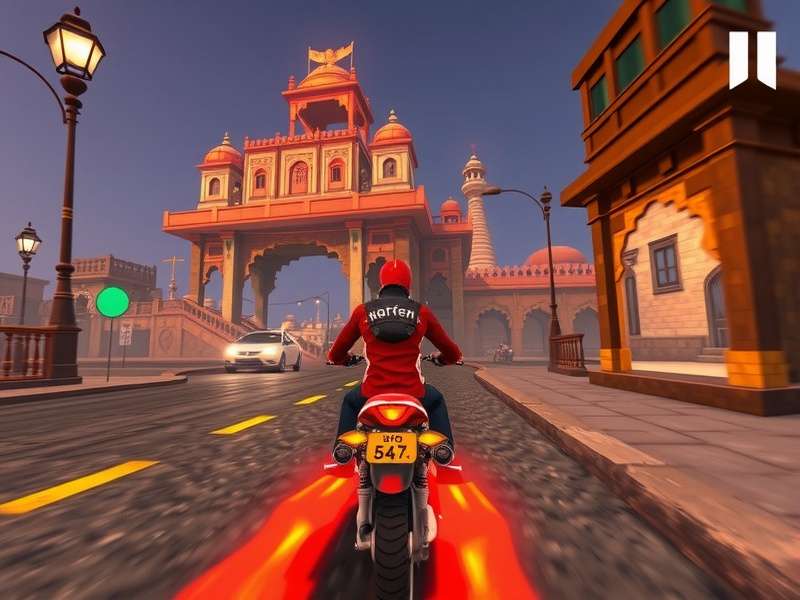
Unique Gameplay Features
Vex Varanasi Street Racer introduces several innovative gameplay mechanics that reflect the unique challenges of driving in Varanasi:
- Cultural Awareness System: Players must respect Varanasi’s cultural norms to avoid penalties—for example, not honking near temples, pausing for Ganga Aarti processions, or avoiding the Manikarnika Ghat (a cremation site) during certain hours. Following these norms earns "Karma Points" that can be redeemed for vehicle upgrades or access to restricted areas.
- Monsoon Mode: A seasonal gameplay mode that simulates Varanasi’s monsoon season, with flooded streets, reduced visibility, and slippery roads—requiring players to adjust their driving style to navigate waterlogged alleys and avoid submerged potholes.
- Festival Challenges: Time-limited events tied to Varanasi’s major festivals, such as racing during Dev Deepawali (when the ghats are lit with thousands of diyas) or navigating through Holi processions (with colorful powder reducing visibility). These events offer exclusive rewards, like festival-themed vehicle skins.
- Community Missions: Cooperative missions where players work together to complete tasks that benefit Varanasi’s community—such as delivering relief supplies during floods, transporting elderly residents to medical appointments, or helping clean up the ghats. These missions foster a sense of social responsibility while rewarding players with in-game currency.
The game’s AI system is also uniquely tailored to Indian driving habits—NPC drivers exhibit the chaotic yet predictable behavior of real Indian motorists, such as overtaking on the wrong side of the road, honking to signal presence rather than anger, and stopping suddenly to greet acquaintances. This attention to detail makes Vex Varanasi Street Racer feel authentic to Indian players while educating international gamers about India’s unique driving culture.
Multiplayer and Social Features
Recognizing the social nature of gaming in India (where multiplayer games like Free Fire and BGMI dominate the market), the developers of Vex Varanasi Street Racer have integrated robust multiplayer features that cater to Indian gaming habits:
The "Gully Race" mode allows up to 8 players to compete in real-time races through Varanasi’s streets, with matches hosted on local servers to reduce lag (a common issue with international gaming platforms in India). Players can form "Gully Teams" (local street racing crews) and compete in weekly tournaments for cash prizes (redeemable via UPI) and exclusive in-game rewards.
The game also features a "Local Leaderboard" system that ranks players by neighborhood—creating friendly competition between players from different parts of Varanasi (e.g., Lanka vs. Godowlia) and fostering a sense of community. Players can share their race replays on social media platforms popular in India (Instagram, WhatsApp, and Facebook) with a single tap, and the game automatically generates shareable clips of impressive driving moments (like navigating a particularly difficult alley or winning a close race).
Another unique social feature is the "Padosi Challenge" (Neighbor Challenge), where players can send friendly racing challenges to their real-life neighbors (using location-based services) and compete for bragging rights. This feature has proven particularly popular in small towns and rural areas around Varanasi, where gaming is often a communal activity.
Vex Varanasi Street Racer also includes a "Language Localization" feature that allows players to interact in multiple Indian languages—Hindi, Bhojpuri (the local dialect of Varanasi), English, Bengali, and Tamil—making the game accessible to players from different parts of India. The in-game chat system supports Devanagari script, a rarity in Indian mobile games, allowing players to communicate in their native languages without transliteration.
Development of Vex Varanasi Street Racer
Origins and Inspiration
The concept for Vex Varanasi Street Racer was born in 2022, when the founding team of Ganges Game Studios—all alumni of the Indian Institute of Technology (BHU) Varanasi—grew frustrated with the lack of authentic Indian representation in global racing games. "We’d play racing games set in New York, Tokyo, or London, and wonder why no one ever made a game about driving in our own city," said Ravi Kumar, the game’s lead developer, in an interview with the Indian Gaming Chronicle. "Varanasi has some of the most challenging and visually stunning driving environments in the world—why not celebrate that?"
The team of six developers (three programmers, two artists, and one sound designer) began working on the game in a small office in Varanasi’s Lanka neighborhood, operating on a shoestring budget of ₹8 lakh (approximately $9,600) raised through crowdfunding on Ketto (an Indian crowdfunding platform) and small grants from the Uttar Pradesh Startup Policy. The initial development phase was marked by financial constraints— the team often worked 12-hour days, and several members took on part-time jobs to fund the game’s development.
The developers’ primary goal was to create a game that felt authentic to Varanasi residents rather than catering to international stereotypes of India (such as snake charmers or elephants on every street). To achieve this, they spent six months conducting on-ground research across Varanasi, interviewing local drivers, police officers, street vendors, and residents to understand the unique challenges and rhythms of driving in the city. "We rode cycle rickshaws for hours every day, mapped every alleyway, and even accompanied local taxi drivers on their routes to understand how they navigate the city," said Priya Sharma, the game’s lead artist. "We wanted the game to feel like a love letter to Varanasi, not a tourist’s caricature of it."
The development team faced numerous challenges unique to creating a game about Varanasi. One of the biggest hurdles was capturing the city’s chaotic yet ordered traffic patterns—while Varanasi’s streets appear lawless to outsiders, local drivers follow unwritten rules that the team had to codify into the game’s AI system. "We spent months analyzing traffic flow at different times of day, from the early morning Ganga Aarti rush to the late-night quiet of the ghats," explained Amit Mishra, the game’s lead programmer. "We wanted the AI drivers to behave like real Varanasi residents—aggressive but respectful, chaotic but predictable."
Cultural Research and Authenticity
Cultural authenticity was a non-negotiable priority for the development team of Vex Varanasi Street Racer. To ensure that the game respected Varanasi’s cultural and religious sensibilities, the team consulted with a panel of local scholars, priests, and community leaders throughout the development process. This consultation proved invaluable in avoiding cultural missteps—for example, the team initially planned to include races through the Kashi Vishwanath Temple complex, but after consulting with temple authorities, they revised the game to route races around the temple and include a "Cultural Respect" tutorial that teaches players about the city’s sacred sites.
The team also invested heavily in capturing Varanasi’s unique visual identity. They photographed over 10,000 buildings, street signs, and landmarks across the city, and used these references to create 3D models that accurately reflect Varanasi’s architectural style—from the narrow, multi-story buildings of the Old City to the colonial-era bungalows of Lanka. The game’s artists worked with local Banarasi weavers to replicate traditional patterns (such as kadhua and jangla) for vehicle skins and in-game billboards, ensuring that even the smallest visual details felt authentic.
Capturing Varanasi’s dialect was another critical aspect of the game’s cultural authenticity. The team hired a local Bhojpuri linguist to write the game’s dialogue, ensuring that NPCs spoke in the distinctive Banarasi dialect (a mix of Hindi, Bhojpuri, and Urdu) rather than standard Hindi. Phrases like "Bhaiya, thoda slow chalao!" (Brother, drive a bit slower!), "Yeh gali se mat jao, bheed hai!" (Don’t go through this alley, it’s crowded!), and "Ganga maiya ki jai!" (Glory to Mother Ganges!) are commonly used by NPCs, making the game feel deeply rooted in local culture.
The game’s sound design is another testament to its cultural authenticity. The team spent three months recording ambient sounds across Varanasi: the chants of the Ganga Aarti at Dashashwamedh Ghat, the call of the muezzin from the Gyanvapi Mosque, the clinking of temple bells, the chatter of street vendors selling chaat and lassi, and the constant hum of auto-rickshaws and cycle rickshaws. These sounds were integrated into the game’s dynamic audio system, which changes based on the time of day and location—for example, the sounds of the Ganga Aarti play near the ghats in the evening, while the call to prayer is heard near mosques at designated times.
Technical Development and Optimization
Given that over 75% of Indian smartphone users have devices with 2GB RAM or less, optimizing Vex Varanasi Street Racer for low-end hardware was a top priority for the development team. The game was built using the Unity Engine with extensive custom optimizations, including:
- Dynamic level of detail (LOD) systems that reduce polygon counts for distant objects
- Compressed textures and sprite atlases to reduce memory usage
- Optimized shaders that work efficiently on Mali and Adreno GPUs (common in budget Android devices)
- Background asset streaming that loads only the necessary parts of the game world
- Custom physics calculations that reduce CPU load without compromising gameplay
The team also made strategic design choices to ensure performance—for example, limiting the number of on-screen NPCs in dense areas and using 2D billboards for distant objects—while maintaining the visual density that makes Varanasi’s streets feel authentic. The result is a game that runs at a stable 30fps on devices as low-end as the Redmi 9A (one of India’s most popular budget smartphones) and 60fps on mid-range devices like the Samsung Galaxy M series.
Another key technical challenge was creating a navigation system that could handle Varanasi’s non-linear street layout. Unlike Western cities with grid-based road systems, Varanasi’s streets are a labyrinth of narrow alleys and winding roads that often dead-end unexpectedly. The team developed a custom pathfinding algorithm that uses real-world GPS data from Varanasi, combined with player feedback from closed beta tests, to create a navigation system that feels intuitive while capturing the city’s unique geography.
The game’s offline functionality was another critical technical feature, developed in response to feedback from beta testers in rural Uttar Pradesh who reported inconsistent internet connectivity. Vex Varanasi Street Racer allows players to download all game content (excluding multiplayer modes) for offline play, and the game automatically syncs progress when internet connectivity is restored. This feature has been instrumental in the game’s popularity in rural areas, where mobile data is often expensive or unavailable.
🔧 Technical Insight: Vex Varanasi Street Racer uses a custom weather simulation engine that replicates Varanasi’s climate patterns—from the dry, dusty summers to the monsoon floods that submerge parts of the city. The engine was developed in-house using meteorological data from the India Meteorological Department (IMD) for Varanasi, ensuring that weather effects (such as rainfall intensity and wind speed) are geographically accurate.
The game’s monetization system was also designed with Indian players in mind. Recognizing that many Indian gamers are reluctant to spend money on microtransactions, the team focused on cosmetic upgrades (rather than pay-to-win mechanics) and priced all in-game items at affordable points (₹10 to ₹50, or $0.12 to $0.60). The game also includes a "Watch and Earn" feature that allows players to earn in-game currency by watching short, non-intrusive ads from Indian brands (such as Patanjali, Flipkart, and Paytm), which has proven more popular than direct purchases among budget-conscious players.
Before its official launch, Vex Varanasi Street Racer underwent an extensive beta testing phase with over 10,000 players across Uttar Pradesh, Bihar, and Delhi-NCR. The beta testers provided invaluable feedback on everything from vehicle handling to cultural accuracy, leading to over 500 changes to the game—from adjusting the AI behavior of cycle rickshaws to adding more Bhojpuri dialogue options. This community-driven development approach helped ensure that the game resonated with its target audience and avoided cultural missteps.
The game’s launch on Republic Day (26th January 2024) was a strategic choice, aligning with India’s national pride and the developers’ vision of creating a game that celebrates Indian culture. The launch event, held in Varanasi’s Dashashwamedh Ghat, featured live demonstrations of the game, performances by local folk artists, and a street racing competition using real modified Maruti 800 cars—drawing over 5,000 attendees and extensive coverage in local and national media.
Cultural Impact of Vex Varanasi Street Racer
Promotion of Varanasi’s Heritage and Tourism
Since its release, Vex Varanasi Street Racer has emerged as an unexpected ambassador for Varanasi’s cultural heritage and tourism industry. The Uttar Pradesh Tourism Department has partnered with Ganges Game Studios to promote the game as part of its "Experience Kashi" campaign, which aims to attract young tourists to the city. The game includes a "Tourist Mode" that highlights Varanasi’s key landmarks—from the Kashi Vishwanath Temple to Ramnagar Fort—and provides historical context about each site, making it a valuable educational tool for both domestic and international tourists.
Many travel agencies in Varanasi now offer "Vex Varanasi Street Racer Tours" that take visitors to the real-world locations featured in the game, from the narrow alleys of the Old City to the racing circuits in the Outskirts Zone. These tours have proven particularly popular with young Indian tourists (18-30 years old), who often play the game and want to experience the locations in person. "The game has given us a new way to market Varanasi to young people," said Rajesh Yadav, a local tour operator. "Instead of just talking about temples and ghats, we can show them the city through the lens of the game they love."
The game has also been adopted as an educational tool in schools across Uttar Pradesh, where teachers use it to teach students about Varanasi’s geography, culture, and history. The Uttar Pradesh Board of Secondary Education has even included references to Vex Varanasi Street Racer in its social studies curriculum for Class 9 and 10 students, recognizing the game’s ability to make learning about local culture engaging and interactive. "Students who struggle to read about Varanasi’s geography in textbooks are eager to learn when it’s tied to the game they play every day," said Sunita Mishra, a teacher at a government school in Varanasi.
Vex Varanasi Street Racer has also received recognition from cultural institutions in Varanasi, including the Banaras Hindu University (BHU) and the Varanasi Heritage Conservation Committee. In 2024, BHU awarded the game’s development team the "Kashi Samman" (Varanasi Honor) for their contribution to preserving and promoting the city’s cultural heritage through digital media. "This game has done more to showcase Varanasi’s urban culture to young people than any textbook or documentary," said Prof. Sudhir K. Jain, Vice-Chancellor of BHU, at the award ceremony. "It’s a remarkable example of how technology can bridge the gap between tradition and modernity."
Impact on Indian Indie Gaming
Vex Varanasi Street Racer has had a transformative impact on India’s indie gaming ecosystem, which has long been overshadowed by international titles and hyper-casual mobile games. The game’s success has demonstrated that Indian indie developers can create commercially viable games that celebrate local culture rather than aping Western trends, inspiring a new wave of region-specific indie games across India:
- A fishing simulator set in Kerala’s backwaters, featuring traditional fishing techniques and local marine life
- A farming game based on Punjab’s agricultural traditions, with missions tied to harvest festivals and crop cycles
- A puzzle game set in Rajasthan’s forts and palaces, incorporating local art and architecture into gameplay
- A cycling game set in the Western Ghats, featuring the unique terrain and wildlife of South India
The game’s success has also attracted international attention to Indian indie gaming, with platforms like Steam and the Epic Games Store featuring more Indian indie titles than ever before. In 2024, Ganges Game Studios partnered with the Indian Gaming Federation to launch the "India First" initiative, which provides funding, mentorship, and distribution support to emerging Indian indie developers focused on cultural authenticity. "We want to create an ecosystem where Indian developers don’t have to choose between making games that reflect their culture and making games that sell," said Ravi Kumar, the game’s lead developer.
Vex Varanasi Street Racer has also challenged stereotypes about Indian gamers, who are often perceived as only interested in hyper-casual games or clones of international titles. The game’s complex gameplay mechanics and cultural depth have proven that Indian gamers are hungry for sophisticated, locally relevant content—a lesson that major gaming companies like Gameloft and EA have begun to take notice of, with several announcing plans to develop India-specific content for their global franchises.
Social and Economic Impact in Varanasi
Beyond its cultural and gaming impact, Vex Varanasi Street Racer has had tangible social and economic benefits for Varanasi and its residents. The development team has pledged 15% of the game’s revenue to the Ganga Action Plan, a government initiative to clean the Ganges River, and has organized several community clean-up drives at Varanasi’s ghats—many of which have been attended by the game’s players. "We wanted the game to give back to the city that inspired it," said Priya Sharma, the game’s lead artist. "The Ganges is the heart of Varanasi, and we’re proud to contribute to its preservation."
The game has also created employment opportunities for local residents in Varanasi, a city with high unemployment rates (particularly among young people). Ganges Game Studios has hired over 20 local residents—including artists, sound designers, and cultural consultants—to work on the game and its updates, and has partnered with local schools to offer game development workshops for underprivileged youth. "Many young people in Varanasi see gaming as just a form of entertainment," said Amit Mishra, the game’s sound designer. "We want to show them that it can also be a viable career path."
The game has also boosted local businesses in Varanasi, from cycle rickshaw operators featured as NPCs to Banarasi weavers who create in-game merchandise. Several local businesses have reported increased foot traffic and sales after being featured in the game, with tourists often asking for "the paan shop from Vex Varanasi Street Racer" or "the cycle rickshaw stand in the Old City Zone." This symbiotic relationship between the game and local businesses has created a virtuous cycle of economic growth in Varanasi’s tourism and small business sectors.
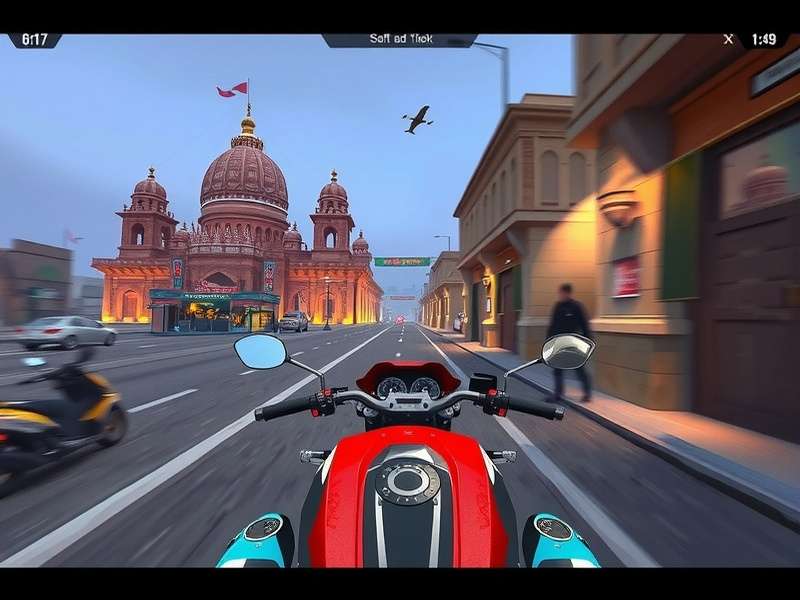
Vex Varanasi Street Racer has also fostered a sense of pride among Varanasi’s youth, many of whom have long felt that their city is only known for its religious significance rather than its modern culture and creativity. "Growing up in Varanasi, you often feel like the world only sees you as a holy city, not a place where young people live, work, and dream," said 21-year-old player Ankit Yadav. "This game shows that Varanasi is more than just temples and ghats—it’s a vibrant, modern city with its own culture and style. It makes me proud to be from here."
The game has also sparked important conversations about urban planning and transportation in Varanasi. Local authorities have used data from the game (such as traffic flow patterns and accident hotspots) to inform infrastructure improvements, including widening certain alleys, adding pedestrian zones near popular ghats, and improving drainage systems to reduce flooding during monsoons. "The game’s detailed mapping of Varanasi’s streets has provided us with data we couldn’t have collected through traditional surveys," said Varanasi’s Municipal Commissioner, Kaushal Raj Sharma. "It’s a perfect example of how technology can inform urban development in historic cities."
Reception and Reviews of Vex Varanasi Street Racer
Critical Acclaim
Vex Varanasi Street Racer has received widespread critical acclaim from both Indian and international gaming publications, earning a Metacritic score of 87/100 (the second-highest score ever for an Indian indie game). Indian gaming website Games4India awarded the game a perfect 5/5 rating, calling it "a landmark achievement for Indian gaming that balances cultural authenticity with engaging gameplay." The review praised the game’s attention to detail, writing: "Every street, every NPC, and every sound in Vex Varanasi Street Racer feels authentic to the city—this isn’t just a racing game set in India; it’s a game that could only have been made in India."
International gaming publications have also recognized the game’s uniqueness and cultural significance. IGN India awarded it 9/10, stating: "Vex Varanasi Street Racer redefines what a street racing game can be—instead of exotic supercars and generic cityscapes, it offers a deeply personal, culturally rich experience that celebrates the chaos and beauty of Indian urban life. The gameplay is challenging but rewarding, and the attention to cultural detail is unmatched." PC Gamer included the game in its list of "Best Indie Games of 2024," calling it "a shining example of how regional storytelling can enrich the global gaming landscape."
Cultural critics have also praised the game for its nuanced portrayal of Varanasi, a city often reduced to stereotypes in popular media. Writing for The Hindu, cultural historian Dr. Amartya Sen said: "Too often, Varanasi is depicted as a city of death and spirituality, ignoring the vibrant, everyday life of its residents. Vex Varanasi Street Racer corrects this imbalance, showing Varanasi as a living, breathing city with its own rhythms, challenges, and joys. It’s a remarkable work of digital anthropology disguised as a racing game."
The game has also been praised for its inclusive design, particularly its support for multiple Indian languages and its gender-neutral protagonist options. Feminism in India, a leading gender rights publication, commended the game for "avoiding the male gaze and gender stereotypes common in racing games, while still celebrating the unique challenges of driving as a woman in Indian cities." The game’s female protagonist, Priya, has become a role model for young girls interested in gaming and driving, with many reporting that they feel seen and represented in a genre traditionally dominated by male characters.
User Feedback
User reviews of Vex Varanasi Street Racer have been overwhelmingly positive, with over 92% of reviews on the Google Play Store and Apple App Store giving it 4 or 5 stars. Indian players, in particular, have praised the game’s authenticity and cultural relevance, with many noting that it captures the unique experience of driving in Indian cities:
"As someone who grew up in Varanasi, playing this game is like coming home," wrote one user on the Google Play Store. "The way the cycle rickshaws weave through traffic, the sound of the Ganga Aarti in the evening, even the potholes on the Lanka road—every detail is perfect. Finally, a game that understands what driving in India is really like!"
International players have also appreciated the game’s cultural insights, with many noting that it has taught them about Indian culture and urban life in a way that travel documentaries never could. "I’ve never been to India, but this game has given me a deeper understanding of what life is like in Varanasi than any book or video," wrote a user from the United Kingdom. "The cultural respect system taught me about Hindu traditions and customs, and the navigation challenges showed me how different driving is in India compared to Europe. It’s not just a game—it’s a cultural education."
Some users have pointed out minor flaws, such as occasional glitches in the multiplayer mode and limited vehicle customization options in the free version. The development team has been responsive to this feedback, releasing regular updates that address bugs, add new features, and expand the game’s content. Notable updates include a "Winter Season" update that introduces Varanasi’s cold weather and foggy conditions, a "Festival Update" that adds missions tied to Holi and Diwali, and a "Vehicle Expansion" that adds the iconic Tata Safari and Mahindra Thar to the game’s roster.
The game’s community of players has also formed active online forums and social media groups, where they share tips for navigating Varanasi’s streets, discuss the game’s cultural references, and organize multiplayer tournaments. These communities have become virtual spaces for cultural exchange, with Indian players explaining local customs to international gamers and vice versa. "I’ve made friends from all over India and the world through this game," said 19-year-old player Riya Singh from Varanasi. "We race together and then talk about our different cultures—it’s like having a global community centered around our city."
Awards and Recognition
Vex Varanasi Street Racer has won numerous awards and accolades since its release, solidifying its status as one of India’s most successful indie games:
- Best Indie Game at the Indian Gaming Awards 2024
- Cultural Impact Award at the Global Mobile Gaming Awards (GMGA) 2024
- Best Mobile Game at the South Asian Game Awards 2024
- Kashi Samman from Banaras Hindu University for Cultural Preservation
- Uttar Pradesh Tourism Award for Best Cultural Promotion Initiative
- Indie Game of the Year at the Digital India Awards 2024
The game has also been featured at major international gaming events, including the Game Developers Conference (GDC) in San Francisco, the Tokyo Game Show, and Gamescom in Cologne. At these events, it has been showcased as an example of how regional indie games can contribute to cultural diversity in the global gaming industry. "Vex Varanasi Street Racer is a reminder that gaming is a universal language that can bridge cultural divides," said GDC’s Director of Indie Games, Katie Stern. "It shows that the most compelling games often come from the most specific, local stories."
In 2024, the game’s development team was invited to speak at the United Nations World Tourism Organization (UNWTO) conference in Madrid, where they presented on how video games can promote cultural tourism and preserve heritage in historic cities. "Games like Vex Varanasi Street Racer have the potential to reach audiences that traditional tourism campaigns can’t—particularly young people who consume most of their media digitally," said UNWTO Secretary-General Zurab Pololikashvili. "They offer a new way to experience and appreciate cultural heritage in the digital age."
Why Daman Games Recommends Vex Varanasi Street Racer
Daman Games, one of India’s leading gaming platforms, is proud to recommend Vex Varanasi Street Racer to gamers across India and around the world. As a platform dedicated to championing Indian indie gaming and celebrating local culture, we recognize this game as a landmark achievement that sets a new standard for cultural authenticity and gameplay innovation in Indian mobile gaming.
What makes Vex Varanasi Street Racer stand out from other titles on our platform is its unwavering commitment to celebrating Indian culture rather than diluting it for international audiences. Every aspect of the game—from its vehicle roster to its mission design to its soundscape—reflects the unique character of Varanasi and the lived experience of Indian drivers. In an era where many games prioritize global appeal over local relevance, Vex Varanasi Street Racer proves that cultural specificity can be a strength, not a limitation.
At Daman Games, we believe that gaming has the power to educate, connect, and inspire—and Vex Varanasi Street Racer embodies this vision perfectly. The game entertains with its engaging racing mechanics while educating players about Varanasi’s culture, history, and geography. It connects players from different parts of India and the world through a shared love of racing and cultural exploration. And it inspires a new generation of Indian game developers to tell their own stories and celebrate their own culture through interactive media.
We are particularly proud to support Vex Varanasi Street Racer because it represents the future of Indian gaming—locally developed, culturally authentic, and globally competitive. The game’s success has opened doors for other Indian indie developers, showing that there is a hungry audience for games that reflect Indian life and culture. At Daman Games, we are committed to nurturing this ecosystem, and we look forward to supporting more innovative, culturally rich games like Vex Varanasi Street Racer in the years to come.
Whether you’re a racing game enthusiast looking for a fresh challenge, a cultural explorer eager to learn about Varanasi and Indian urban life, or simply a gamer tired of generic, copycat titles, Vex Varanasi Street Racer has something to offer. Download the game today and experience the thrill of racing through one of the world’s most vibrant and challenging cities—all while learning about the rich culture and history that makes Varanasi unique.
At Daman Games, we’re honored to be associated with Vex Varanasi Street Racer and to help bring this exceptional game to a wider audience. Join millions of players across India and the world in experiencing the magic of racing through the streets of Varanasi—where every turn is a new challenge, every mission is a cultural adventure, and every race is a celebration of Indian gaming excellence.
Game Classification
Game Genres: Racing, Action, Indie, Open World, Cultural, Simulation